On Writing as Serious Play
Is writing a form of therapy, or is therapy a form of writing?
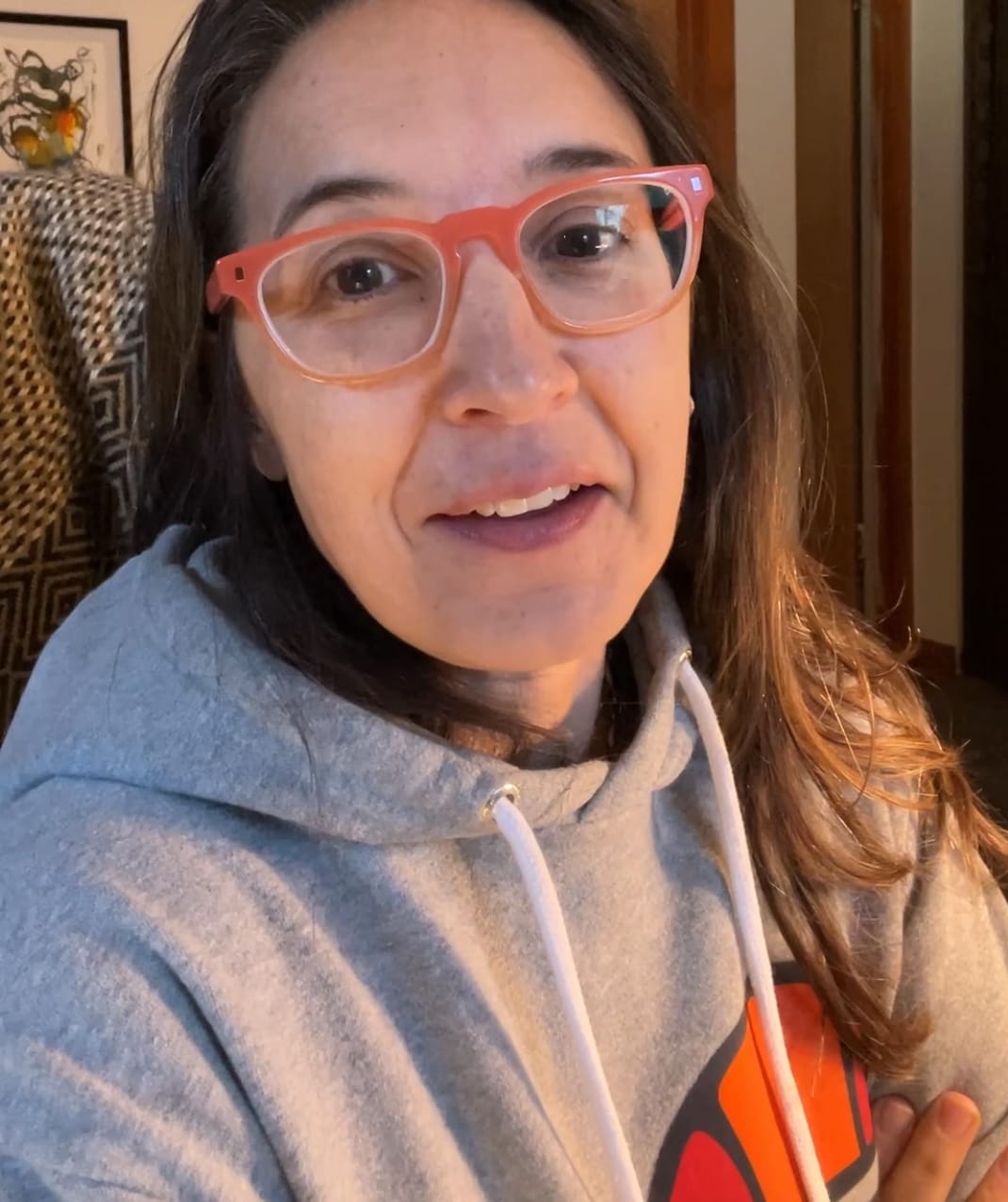
Last week I recorded myself starting to write when I really had nothing in the tank at all. (The 5-minute video is below). First, I describe how I was influenced early in my writing life by this Joyce Carol Oates quote:
“I have forced myself to begin writing when I've been utterly exhausted, when I've felt my soul as thin as a playing card…and somehow the activity of writing changes everything.”
I’m not crazy about the “forced” part; for me I’d say instead, “I have set myself to begin writing in order to make something happen that my brain needs.”
Writers tend to debate whether or not writing is therapy, and why it’s good or bad to think that the writing we produce as we vent and journal is of any use in an artistic sense. These blanket categories don’t interest me, because the answer, in my opinion , is always “It depends.”
More interesting, for me, is the question of whether therapy is a form of writing. In therapy, we get to test out other narratives in therapy, to examine the storyline. I’ve been devoted to therapy for a long time, but writing has been my bedrock. I have built a machine of this habit, a container for my brain that I have relied upon since childhood. At this point, opening a Word document first makes me feel annoyed and resistant, like anyone would. But I know I have to lace up my shoes and go, because motion on the page—even looking at a sentence—will in a few minutes start all kinds of good chemicals flowing and gets me into the state where I am reminded, by dint of choosing words, that I have some choices in my life.
Writing absorbs me, and I’ve built my life around that absorption. At this point I need to do it almost every day (though of course I take breaks whenever I feel like it). That’s not the same as having to do it every day; this isn’t a matter of discipline. It’s a matter of release via the “creative constraint”: instead of worrying about the whole world, worry about this sentence. That feels good to me. It’s why I don’t set any word limits or time slots. I just want and often need that feeling.
Writing is serious play. All play is serious: the construction of imaginary worlds or bubbles of special time in which we can be absorbed, in which we focus and have conversations with characters and versions of ourselves. (Here’s a deep dive on all the benefits of play for children, but the evidence is universal.)
Writing, for me, is a game with rules that allows me to set aside my worries for an hour. During the five-minute video, I share that I don’t feel like writing, but I wanted to document what happens for me when I open a word document, which is my only expectation of myself. I start to play with sentences, and the change happens. I am momentarily afloat on the sea of words, and I relax.
You can see the video here:
This is why describing writing as a series of genres or tasks bums me out; the spark of writing is free and unstructured play, making a game as you go. I think it’s also why so many kids get turned off of writing; it’s lost the element of play and become production.
Of course: I’ve been on deadline many times, I have to also write things for my job, and there are countless writing tasks I’ve taken on for money, and countless times that I’ve dreaded a report or some other soulless document. But I have developed this relationship with process, so I know that the spark of experimentation and no expectations works for my brain and gives it a home in this often-worrisome world.